 MedicalHealthGuide
Sabila is one of the oldest known herbal medicine that can be traced back in ancient Egypt. Sabila plant was depicted on stone carvings and in Eber's papyrus in 16th Century BCE, found in burial grounds of deceased pharoahs..
Sabila was historically used to heal wounds and treat various skin conditions, Aloe was also taken orally as a laxative. Nowadays, aloe extract is still popularly used as a home remedy for skin problems such as psoriasis, burns, sunburns, insect bites and others. Sabila can be found in many skin products such as lotions, gels and sunblocks. Other folkloric uses include treatment of arthritis, asthma, diabetes, epilepsy and osteoarthritis.
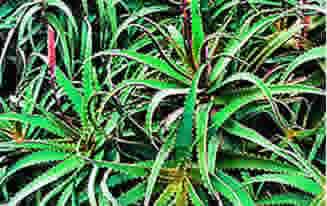
Sabila is a herb that grows in warm climates and is widely distributed in Philippines, India, and Africa. Sabila is widely used as traditional herbal medicine in China, Japan, Russia, South Africa, the United States, Jamaica, Latin America and India. Sabila is frequently cited as being used in herbal medicine for its anti-inflammatory, regenerative, anti-bacterial and anti-fungal and healing properties.
Sabila is a herb that grows up to 35 cm in height with green leaves. Sabila leaves are about 6 cm wide that grows up tapering with spiny margins. Sabila flower grows erect from the herb to as much as twice the height of the plant. Sabila flowers are yellow to red yellow in color that grows to about 2cm.
Sabila is traditionally used to treat the following skin conditions
Sabila juice or the fleshy leaf is applied directly to the affected skin, providing relief and believed to improve healing.
Fresh Sabila juice or sap are massaged to the affected scalp and let it stay for a few minutes before washing.
Sabila has several active constituents and most of them have therapeutic implications for disease prevention and treatment through the modulation of various biological and genetic activities. The possible mechanisms of actions of Sabila are described as follows:
Source: https://www.ncbi.nlm.nih.gov/pmc/articles/PMC4557234/
A study that isolated di(2)-ethylhexyl)phthalate (DEHP) from Sabila found that Sabila exhibited growth inhibition against three leukemic cell lines and reduced AF-2-induced mutagenicity. DEHP was considered the active principle responsible for the anti-leukemic and anti-mutagenic effects in vitro.
Extracts of Sabila Linne have been found to exhibit cytotoxicity against human tumour cell lines.
Source: https://www.ncbi.nlm.nih.gov/pubmed/10864149
Study isolated a major carbohydrate fraction from the gell of Aloe vera leaf. It has been claimed to accelerate wound healing, immune stimulation and have anti-cancer and anti-viral effects. Study showed acemannan an extract found from Aloe vera stimulate cytokine production, nitric oxide release. The production of cytokines IL-6 and TNF-alpha were acemannan dose-dependent. The results suggest acemannan may function, in part, through macrophage activation.
Source: https://www.ncbi.nlm.nih.gov/pubmed/25233608
Studies suggest that acemannan, a polysaccharide extracted from Aloe vera gel, could affect bone formation. Acemannan could function as a bioactive molecule inducing bone formation by stimulating BMSCs proliferation, differentiation into osteoblasts, and extracellular matrix synthesis. Acemannan extracted from Aloe vera could be a candidate for natural biomaterial for bone regeneration.
Source: https://www.ncbi.nlm.nih.gov/pubmed/23315202
Study showed percentage of both objective tumor regressions and disease control was significantly higher in patients concomitantly treated with Aloe than with chemotherapy alone. Study suggest Aloe may be beneficial to use with chemotherapy to increase efficacy in terms of both tumore regression and survival time.
Study showed antigenotoxic potentials of aloe and suggests a potential use in prevention of DNA damage caused by chemical agents.
Study characterized a new immunostimulatory polysaccharide, Aloeride, from commercial Sabila juice
Sabila leaves contain a clear gel that is often used as a topical ointment.
The green part of the Aloe leaf that surrounds the gel can be used to produce a juice or a dried substance (called latex) that is taken by mouth.
NCCAM Clearinghouse. The NCCAM Clearinghouse provides information on CAM and NCCAM, including publications and searches of Federal databases of scientific and medical literature. The Clearinghouse does not provide medical advice, treatment recommendations, or referrals to practitioners.
Toll-free in the U.S.: 1-888-644-6226 TTY (for deaf and hard-of-hearing callers): 1-866-464-3615 Web site: nccam.nih.gov E-mail: info@nccam.nih.gov
PubMed®
A service of the National Library of Medicine (NLM), PubMed® contains publication information and (in most cases) brief summaries of articles from scientific and medical journals. CAM on PubMed®, developed jointly by NCCAM and NLM, is a subset of the PubMed® system and focuses on the topic of CAM.
Web site: www.ncbi.nlm.nih.gov/sites/entrez
CAM on PubMed® : nccam.nih.gov/research/camonpubmed/
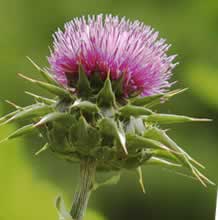 Silymarin extract still tops in liver protection
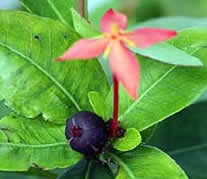 Santan Flower has wound healing properties
 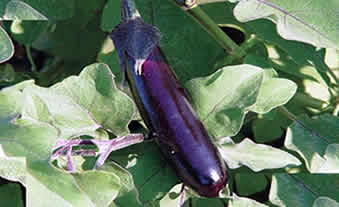 Antioxidant properties from Talong
 Malvarosa Plant found to have antioxidant properties
 Anti-cancer properties of Avocado fruit
 Stevia use can cause cancer, studies suggests
Article last reviewed: 09.30.2016