 MedicalHealthGuide
Tanglad is an herb popolar for its citrus flavour with a trace of ginger. Tanglad is widely used in cooking served to spice various Asian cuisines from Thai to Filipino dishes. Tanglad has been traditionally used in folkloric herbal medicine to treat various medical condition including rheumatism, fever, acne, anxiety and many others.
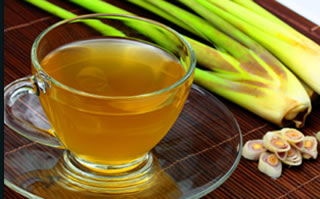
Brazil: Capim-cidrao, Capim-santo; Egypt: tanglad; English: tanglad, Citronella, Squinant; Ethiopia: Tej-sar Hindi: Sera, Verveine; Indonesian: Sereh; Italian: Cimbopogone; Malaysia: Sakumau; Mexico: Zacate limon; Swedish: Citrongräss; Thailand: Ta-khrai; Turkish: Limon out; USA and UK: Citronella
Tanglad (Cymbopogon citratus), is a native herb from warm regions such as India, Philippines and Malaysia, is widely used in Asian cooking and is an ingredient in many Thai and Vietnamese foods. Tanglad use in cooking has become popular in the Caribbean and in the United States for its aromatic citrus flavor with a trace of ginger.
Tanglad is a member of a specie of grass that grows to as high as 1 meter with leaves of 1 to 1.5 centimeters in width that grows from a stalk of about 30 to 80 cm long with bulbous lower end. Tanglad is a perennial and tufted grass that is commercially cultivated in Southeast Asian countries such as Thailand, Malaysia and China. tanglad is also cultivated in United States specifically in California and Florida. Propagation is by dividing the root clumps.
Tanglad oil has a lemony, sweet smell and is dark yellow to amber and reddish in color that is extracted by distillation. Tanglad is also known as 'choomana poolu' and is also referred to as 'Indian Verbena' or 'Indian M`elissa oil'. tanglad oil is a valuable ingredient in cosmetics, perfumes and as fragrances for soaps and insect repellants.
Tanglad is reportedly has a wide variety of therapeutic application and health benefits. With limited research and studies conducted on humans, tanglad's effectiveness is based mainly on the results from animal and laboratory studies as well as its reputation as a folk remedy.
Tanglad as herbal Tea: (Taken 1 cup every 8 hours)
Tanglad oil mixed with other essential oils such as coconut oil is used as a liniment for
Tanglad oil mixed with other essential oils such as lavender or jasmine oil
Tanglad is used in Indian Ayurvedic medicine to treat fevers and infectious illnesses.
Tanglad is also used in Chinese medicine to treat colds and rheumatism..
To treat circulatory disorders, some authorities recommend rubbing a few drops of tanglad oil on the skin of affected areas; it is believed to work by improving blood flow.
Tanglad has natural anti-microbial properties, is an antiseptic, suitable for use on various types of skin infections, usually as a wash or compress, and is especially effective on ringworm, infected sores. Acne and athlete's foot
Tanglad is effective in killing cancer cells.
It is useful with respiratory infections such as sore throats, laryngitis and fever and helps prevent spreading of infectious diseases.
Tanglad is also used as an insect repellant. It helps to keep pets clean of fleas, ticks and lice.
In Asia and Africa, tanglad is used as antiseptic, antitussive, and anti-rheumatic and to treat backache, sprains, and hemoptysis. Infusions of tanglad leaves are used in alternative medicine as sedative, antimicrobial, and anti-inflammatory.
In some African countries, Tanglad is used to treat diabetes
A study done in the Department of Biochemistry, Faculty of Medicine, Chiang Mai University, Thailand found that tanglad (Cymbopogon citratus Stapf) possess antimutagenic properties towards chemical-induced mutation in Salmonella typhimurium strains TA98 and TA100. Mutagenicity of AFB1, Trp-P-1, Trp-P-2, Glu-P-1, Glu-P-2, IQ, MNNG and AF-2, was inhibited by the extract of tanglad in a dose-dependent manner, but no effect was found on the mutagenic activity of benzo[a]pyrene. Source: Mutation Research - Genetic Toxicology and Environmental (Nov 1994)
In the present study, tanglad essential oil was evaluated for its in vivo topical and oral anti-inflammatory effects, and for its in vitro antifungal activity using both liquid and vapor phases
tanglad oil extract exhibited promising antifungal effect against Candida albicans, C. tropicalis, and Aspergillus nige. In addition, topical application of LGEO in vivo resulted in a potent anti-inflammatory effect, as demonstrated by using the mouse model of croton oil-induced ear edema. Source: Libyan Journal of Medicine (Sept 2014)
The aims of this study were to investigate the antibacterial activity of tanglad oil and its major components which were citral, geraniol and myrcene, against four strains of clinically isolated bovine mastitis pathogens, including Staphylococcus aureus, The results demonstrate that S. agalactiae and B. cereus are more susceptible to tanglad, citral and geraniol than S. aureus and E. coli. Moreover, they also inhibit S. aureus biofilm formation and exhibit effective killing activities on preformed biofilms. The tanglad appears to have multiple targets in the bacterial cell, depending on concentration used as well as the amount of its components. Source: Research in Veterinary Science ( Dec 2011)
In the present study, polysaccharides from C. citratus were extracted and fractionated by anion exchange and gel filtration chromatography. Using these polysaccharide fractions F1 and F2, anti-inflammatory and anticancer activities were evaluated against cancer cells in vitro and the mechanism of action of the polysaccharides in inducing apoptosis in cancer cells via intrinsic pathway was also proposed. These polysaccharide fractions exhibited potential cytotoxic and apoptotic effects on carcinoma cells, and they induced apoptosis in these cells through the events of up-regulation of caspase 3, down-regulation of bcl-2 family genes followed by cytochrome c release. Source: Carbohydrate Polymers – Journal (Jul 2014)
The link between tanglad and cholesterol was investigated by researchers from the Department of Nutritional Sciences, University of Wisconsin, who published their findings in the medical journal Lipids in 1989. They conducted a clinical trial involving 22 people with high cholesterol who took 140-mg capsules of tanglad oil daily. While cholesterol levels were only slightly affected in some of the participants--cholesterol was lowered from 310 to 294 on average--other people in the study experienced a significant decrease in blood fats. The latter group, characterized as responders, experienced a 25-point drop in cholesterol after one month, and this positive trend continued over the course of the short study. After three months, cholesterol levels among the responders had decreased by a significant 38 points. Once the responders stopped taking tanglad, their cholesterol returned to previous levels. It should be noted that this study did not involve a placebo group, which is usually used to help measure the effects of the agent being studied (in this case, tanglad oil).
Neurobehavioral Effects : (1) Study of myrcene in rats suggests anxiolytic activity. (2) Study of essential oil produced marked CNS depression in mice, similar to chlorpromazine effect. Also, it increased sleepness time, similar to a thiopental effect.
Antinociceptive / Analgesic : Myrcene extract from the essential oil has been shown to have an antinociceptive effect.
Antitumoral : (1) Study showed a-myrcene possess antimutagenic activity in mammary cells. (2) Plant compounds, a-limonene and geraniol showed inhibition of liver and intestinal mucous membrane cancer in mice. (3) Study in Thailand showed inhibition of colorectal neoplasia in mice. (4) Study showed inhibitory effects on early phase hepatocarcinogenesis in rats after initiation with diethylnitrosamine.
 Tanglad thrives in the wild even without too much care. It can be grown in pots and gardens. The stalks and leaves are harvested and used. Fresh tanglad can also be bought in most Asian markets by bundles.
tanglad oil extract can also be bought in most grocery and health foods stores. tanglad comes in various forms, such as powder, dried leaves and essential oil. Amazon lists Lemon grass Essential Oil. 10 ml.
Tanglad Tea Preparation
- Pound or cut about 10 leaves of tanglad
- Then add in 2 cups of boiling water for 10 to 15 minutes,
- Strain, add sugar and a slice of ginger to taste.
- Let it cool and drink a cup three to four times a day.
- Make new tanglad herbal tea as needed.
When symptoms persist or irritation occurs stop the use and consult your doctor.
tanglad oil (food grade) can also be used to make tea by diluting 2 teaspoon of tanglad oil to a cup of boiling water.
Tanglad Liniment Preparation
- Boil equal amounts of chopped leaves and roots with freshly made coconut oil
- You can also mix 2 drops of tanglad oil to an ounce of your usual oil used such as coconut oil, olive oil, etc.
Tanglad Baths and Compress
Chop about a cup of tanglad leaves to a liter of water. Let it boil and strain. You can add it to your bath or you can use it as herbal compress for skin infections.
tanglad oil can also be added to a bath or warm water for hot compress. a tablespoon of oil for every 500ml for compress is suggested.
When cooked and properly prepared, eating tanglad has been proven beneficial even for young children, pregnant women and breast feeding mothers.
Tanglad is not known to be harmful when taken in recommended dosages. However, individuals should always take caution before using any treatment.
Pregnancy and Breast feeding. The essential oil should not be used internally by children, women who are pregnant or breast-feeding.
Liver or kidney disease. When used for various medication, There are reports of the following
While tanglad is not known to have an adverse effect with known drugs and supplements. Nonetheless It is advisable to limit the use of tanglad for the following medical conditions
Allergies. In rare cases, tanglad essential oil has caused allergic reactions when applied to the skin. To minimize skin irritation, dilute the oil in a carrier oil such as safflower or sunflower seed oil before application. As with all essential oils, small amounts should be used, and only for a limited time.
Can cause eye irritation. Avoid getting tanglad (herb or oil) in the eyes.
 Silymarin extract still tops in liver protection
 Santan Flower has wound healing properties
  Antioxidant properties from Talong
 Malvarosa Plant found to have antioxidant properties
 Anti-cancer properties of Avocado fruit
 Stevia use can cause cancer, studies suggests
Article last reviewed: 10.18.2016