Pages

fibromyalgia

fibromyalgia articles:


fibromyalgia

What is Fibromyalgia a chronic condition characterized by pain and stiffness in soft tissues
Signs and Symptoms of Fibromyalgia
may vary from person to person, changes in the weather, stress level, physical activity or even the time of day
Cause of Fibromyalgia
is still unknown and it is believed that it may be hereditary
Treatment of Fibromyalgia
includes non-drug treatments and are usually the most helpful.
Nutrition and Diet for Fibromyalgia
Supplements for Fibromyalgia
Exercise for Fibromyalgia
Taichi for Fibromyalgia
Relaxation Theraphy for Fibromyalgia
Herbal Medicine for Fibromyalgia Treatment
Social Support for Fibromyalgia
Over-the-counter drugs for Fibromyalgia Treatment
Home Remedy for Fibromyalgia
Herbal Medicine for Fibromyalgia Treatment
Aroma Theraphy for Fibromyalgia
Homeopathy for Fibromyalgia Treatment
Chinese Medicine for Fibromyalgia Treatment
Acupuncture and Fibromyalgia
Chiropractic Treatment for Fibromyalgia
Conventional Medicines for Fibromyalgia Treatment


what is fibromyalgia

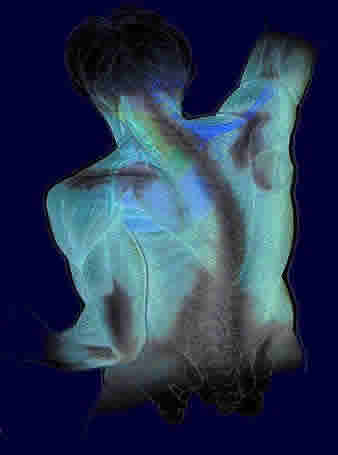
Fibromyalgia is a chronic condition characterized by pain and stiffness in soft tissues; including the muscles, tendons, and ligaments. With fibromyalgia, the common areas that are painful or tender when pressure is applied are tender points in the neck, shoulders, upper back, upper chest, elbows, low back, hips and thighs.

Fibromyalgia is more common in women than in men. According to the American College of Rheumatology, fibromyalgia affects 3 to 6 million people in the United States.

Fibromyalgia symptoms may vary from person to person and they'll probably never disappear completely. Fibromyalgia is not deforming, progressive or life threatening. Proper treatments and self-care programs can treat fibromyalgia symptoms.


signs and symptoms of fibromyalgia

Signs and symptoms of fibromyalgia may vary from person to person, changes in the weather, stress level, physical activity or even the time of day.

The more common signs and symptoms of fibromyalgia include

  • Painful and tender points in the body. Fibromyalgia is characterized by pain in specific areas when pressure is applied, including the neck, shoulders, upper back, upper chest, elbows, low back, hips and thighs. The pain generally persists for months and is often accompanied by stiffness;
  • People with fibromyalgia may feel fatigue and with less energy. May also feel numbness or tingling sensations in the hands and feet (paresthesia);
  • Sleep disorder. A person with fibromyalgia may often wake up tired and unrefreshed even they seem to get plenty of sleep;
  • Irritable bowel syndrome May be suffering from constipation, diarrhea, abdominal pain and bloating. These are common in people with fibromyalgia;
  • Headaches and dizziness. Many people who have fibromyalgia also have headaches and facial pain that may be related to tenderness or stiffness in their neck and shoulders. They may also suffer from dizziness;
  • Temporomandibular joint (TMJ) dysfunction, which affects the jaw joints and surrounding muscles, also is common in people with fibromyalgia;
  • Heightened sensitivity. It's common for people with fibromyalgia to report being sensitive to odors, noises, bright lights and touch;
  • Memory lapses and difficulty in concentrating. People with fibromyalgia suffers from memory lapses and has difficulty concentrating;
  • Depression, anxiety and mood changes are also common to people with fibromyalgia;


causes of fibromyalgia

The cause of general fibromyalgia is still unknown and it is believed that it may be hereditary. Its symptoms may be worsened by physical and mental stress, injury, and exposure to cold and dampness.

The other type of fibromyalgia also known as secondary fibromyalgia may be caused by other health disorders such as infection (Lyme disease), rheumatoid arthritis, hypothyroidism, lupus erythematosus and others.


treatment of fibromyalgia

Nondrug treatments are usually the most helpful in treating symptoms of fibromyalgia. Reducing stress can alleviate some mild cases of fibromyalgia. Stretching and conditioning exercises of gradually increasing intensity, improvements in the quality of sleep, application of heat to the affected area, gentle massage, and keeping warm are usually beneficial. These approach are discussed more detailed on the suceeding pages..

fibromyalgia fibromyalgia treatment

 
help us grow

disease category

health articles


Poison Prevention
Tips to prevent and treat poison at home

Cancer Prevention
Prevent the onset of cancer and some treatment tips


alternative medicine vs. conventional medicine

RELATED ARTICLES