Pages

fibroids

fibroids articles:


fibroids in uterus

What is Fibroid Fibroid is a lump or growth in the uterus that is not cancerous...

Signs and Symptoms of Fibroid Fibroids do not present noticeable symptoms. But some symptoms include...

Causes of Fibroids Although some women are more likely to get fibroids, including black women, women who have never been pregnant...

Treatment of Fibroid There are many treatment options that exist. The best action to take after discovering fibroids is simply to be aware they are there...


what is Fibroids

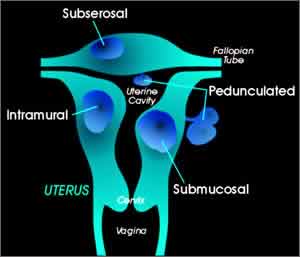
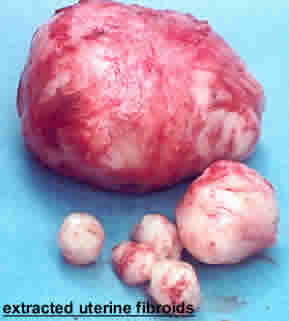
Fibroid is also known as a uterine leiomyomata or “myoma,”. Fibroid is a lump or growth in the uterus that is not cancerous. Fibroids can be as small as a pea to as large as a basketball. They are usually round and pinkish in color, and they can grow anywhere inside or on the uterus. While some women have only one fibroid, they typically are present in groups of two or more.

About 30% of women older than 30 years have fibroids, and they usually appear between the ages of 35 and 45.

Uterine fibroids are the most common female pelvic tumor, affecting up to 30% of women. These non-cancerous tumors arise from smooth muscle cells within the uterus and can result in symptoms such as pelvic pain, pelvic pressure, urinary frequency, abdominal fullness, infertility and heavy menstrual bleeding. Fibroids can be microscopic or weigh several pounds. While it is unclear what causes them to form, we do know fibroids depend on estrogen to grow and are more common in African-American women.

Treatment options vary upon the severity of symptoms, a patient's age and medical history, as well as her desire to maintain fertility. Simple treatment options include monitoring with ultrasound, oral contraceptive pills or hormone injections to control fibroid growth. A myomectomy, or surgical removal of fibroids, can be performed hysteroscopically, larparoscopically or abdominally. In addition, uterine artery embolization (UAE), performed by an interventional radiologist, is designed to restrict the fibroid's blood supply. The benefit of UAE is avoidance of surgery, but long-term results are unknown, as is the affect on future pregnancies.


signs and symptoms of fibroids

Fibroids do not present noticeable symptoms. Some women never realize that they have fibroids because they have no symptoms. In other women, uterine fibroids are discovered either during a routine gynecologic exam or during prenatal care.

When symptoms of fibroids occur, they can include:

  • Pelvic pain or pressure
  • Heavy menstrual bleeding
  • Abdominal swelling
  • Low back pain during intercourse or during menstrual periods
  • Fatigue or low energy from heavy periods and excessive bleeding
  • Infertility, if the fibroids are blocking the fallopian tubes
  • Constipation
  • Repeated miscarriages Bleeding or spotting between menstrual periods
  • Unusually frequent urination

causes of fibroids

To what is the real cause of fibroids is still unknown. Although some women are more likely to get fibroids, including black women, women who have never been pregnant and women who have a mother or sister with fibroids.

The female hormones estrogen and progesterone seem to make fibroids grow. The female body makes the highest levels of these hormones during menstrual years.

Upon reaching the menopausal period, the body tends to produce less of estrogen and progesterone and usually, fibroids shrink and stop causing symptoms.


treatment of fibroids

Doctors agree that there is no single best approach to fibroid treatment. There are many treatment options that exist. The best action to take after discovering fibroids is simply to be aware they are there. Since fibroids are non-cancerous and if fibroids are small and are not causing any symptoms, they do not need to be treated.

Being aware means a regular trip to the gynecologist for pelvic examination. This should be done every six months to a year to make sure that the fibroids are not growing rapidly.

The following alternative approach does not guarantee a cure for fibroids. To some it may work and to others may not. There are no concrete scientific bases that may support the suggested therapies. It is still best that you discuss your medical condition to a certified gynecologist.

Fibroids Fibroids treatment


Fibroids articles references:


If you find this site helpful, help us grow.
  1. Merck Medical Dictionary, Fibroids.
  2. National Center for Complementary and Alternative Medicine
  3. M. Castleman "Blended Medicine, The best choices in healing, Fibroids "
  4. Fibroids Mayoclinic's website.
  5. http://en.wikipedia.org/wiki/Fibroids
  6. Nisolle M, Gillerot S, Casanas-Roux F, Squifflet J, Berliere M, Donnez J (1999). "Immunohistochemical study of the proliferation index,...
  7. Advances in Uterine Leiomyoma Research: The Progesterone Hypothesis
  8. Celik H, Sapmaz E (2003). "Use of a single preoperative dose of misoprostol is efficacious for patients who undergo abdominal myomectomy"
  9. Goto A, Takeuchi S, Sugimura K, Maruo T (2002). "Usefulness of Gd-DTPA contrast-enhanced dynamic MRI and serum determination of LDH and its isozymes in the differential diagnosis of leiomyosarcoma from degenerated leiomyoma of the uterus". Int. J. Gynecol. Cancer


disease category

Mesothelioma ohio The Maune Raichle Law Firm can assist you or your loved one with mesothelioma information in Ohio

Managed Limited Benefit Plans USNow offers you the next generation in Managed Limited Benefit Plans

health articles


Poison Prevention
Tips to prevent and treat poison at home

Cancer Prevention
Prevent the onset of cancer and some treatment tips


alternative medicine vs. conventional medicine

RELATED ARTICLES